Oily scalp treatment:
a professional guide
What drives excess oil, how to treat it chair-side, and the right way to apply a sebum-control routine.
On this page:
An oily scalp is one of the most common problems clients bring to the salon: roots that look flat by mid-afternoon, a blowout that collapses overnight, styling products that lose their grip within hours. The symptoms show up in the hair, but the cause sits on the scalp.
An effective oily scalp treatment starts there, with the sebaceous glands, the client’s daily habits and the way every product is applied.
What causes an oily scalp
Sebum is not the enemy. Produced by the sebaceous glands attached to each hair follicle, it protects the scalp and the hair fiber. The problem begins when the glands produce more than the scalp needs and the excess settles at the roots faster than the routine can keep up.
Several factors, often combined, drive that imbalance:
- Genetics and hormones: a tendency toward overactive sebaceous glands often runs in families. Hormonal shifts during puberty, pregnancy and menopause, periods of stress and some hormone-regulating medications can all increase sebum output.
- Climate: humidity raises scalp perspiration, which carries sebum down the hair shaft and makes hair feel greasier sooner. Dry winter air and indoor heating can also dry out the scalp, which may respond by producing more oil.
- Washing habits: washing too often, scrubbing too hard or relying on harsh cleansers can irritate the scalp, and dermatologists describe a rebound effect in which the glands respond with more oil. Washing too rarely creates the opposite problem: dead cells, sweat and residue build up and weigh the roots down.
- Products and handling: heavy or oil-based products near the roots, conditioner applied directly to the scalp, frequent touching and brushing, and brushes or tools that are rarely cleaned all redistribute oil and residue onto freshly washed hair.
Oily scalp, oily hair or oily dandruff?
Clients use the word “oily” for very different situations, and each one calls for a different approach. Reading the difference correctly is the first step of any treatment.
-
Oily scalp
The excess sebum sits at the source: the scalp itself feels greasy, and the roots lose volume within a day or two of shampooing. This is where a targeted sebum-control routine makes the biggest difference.
-
Oily hair
The scalp may be fairly balanced, but oil travels along the lengths through frequent brushing, touching or heavy styling products. Here, the priority is correcting habits and lightening the product routine.
-
Oily roots, dry lengths
Coloring and lightening services are among the factors that can leave mid-lengths and ends dry and porous while the roots stay oily. These clients need two treatments in one routine: rebalancing at the scalp, nourishment from mid-lengths to ends.
-
Oily dandruff
When greasy roots come with white or yellowish flakes, scaly patches and itching, the picture may point to seborrheic dermatitis. A salon professional does not diagnose, but recognizing these signs matters: when they persist or cause real discomfort, the right call is to recommend a dermatologist.
How to treat an oily scalp: professional tips
Products matter, but technique and routine decide whether they work. These are the habits that separate a lasting result from a scalp that looks greasy again by the next morning.

- Read the scalp before the shampoo bowl: a two-minute consultation tells more than any product label. How soon do the roots turn oily? What does the client use at home? Does the scalp itch or flake? Are the lengths colored or heat-styled? The answers define the routine from the first visit.
- Find the right washing rhythm: there is no universal schedule. Very oily scalps often need cleansing daily or every other day, which is fine with a gentle shampoo formulated for oily scalp. Let the consultation set the rhythm.
- Shampoo the scalp, not the lengths: work the shampoo into the scalp with the fingertips, never the nails, and let the lather rinse through the lengths. On very oily scalps, a second pass removes what the first one loosened.
- Choose the conditioner with care: rich conditioners weigh the roots down. Keep them on mid-lengths and ends, or switch to a light, non-greasy formula designed for scalp and hair.
- Rinse longer than seems necessary: product left on the scalp makes the roots look greasy sooner. A thorough rinse with lukewarm to cool water is one of the most underrated steps of any oily scalp treatment.

- Exfoliate on a schedule: a targeted detoxifying treatment clears away dead cells, sebum and residue, as long as it follows the frequency indicated for the product. Overdoing it irritates the scalp.
- Keep heat and heavy styling away from the roots: high heat spreads sebum along the hair shaft. Dry on a medium or low setting, airflow away from the scalp, and save rich products for the ends.
- Clean brushes and tools: brushes and combs collect oil and residue and redeposit them onto freshly washed hair. Clean them regularly, and recommend clients do the same at home.
- Use dry shampoo as a bridge, not a substitute: it stretches the time between washes but does not cleanse the scalp. Used daily in place of a proper wash, it adds to the buildup it was meant to hide.
- Steer clients away from DIY remedies: many clients try to fix an oily scalp on their own. Heavy oils on the scalp or undiluted vinegar rinses often leave residue or irritation behind and make the professional routine harder to set up.
Professional oily scalp treatment: the salon protocol
Once the scalp has been read and the habits corrected, the right products complete the picture. The Nouvelle Scalp Habit line includes a sebum-control range designed for oily scalp and thick hair: Sebum Control Fluid and Sebum Control Shampoo are both formulated with ginger root, grape seed and boswellia extracts. This is how to build a professional scalp treatment around them, step by step.
-
Pre-shampoo scalp treatment
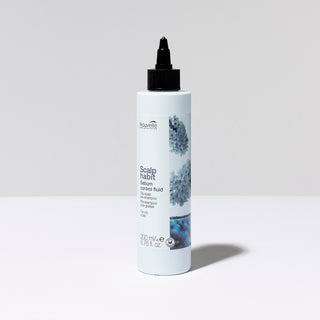
Dry scalpA pre-shampoo fluid that acts directly on the scalp, helping prevent excess sebum production.
- Work evenly over dry or towel-dried scalp
- Massage with the fingertips for 2 to 3 minutes
- Add a little water to emulsify, massage again and rinse
-
For visible buildup. Replace step 1 with Detox Intensive Pre-Cleanser: apply evenly to dry scalp, leave on for a few minutes, then cleanse. Because of its intensive action, use it no more than once or twice a week.
-
Cleanse
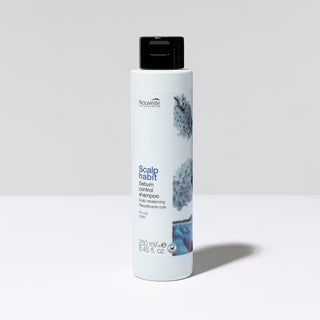
Wet hairFormulated to cleanse and rebalance scalps prone to excess sebum.
- Apply to the scalp and wet hair
- Massage gently
- Rinse thoroughly
-
Light conditioning
Damp hairScalp Relief Light Conditioner
A light, non-greasy conditioner for scalp and hair with peptides from rice proteins, for clients with oily roots and dry lengths.
- Apply to damp scalp and hair
- Leave on for a few minutes
- Rinse
-
A clean finish
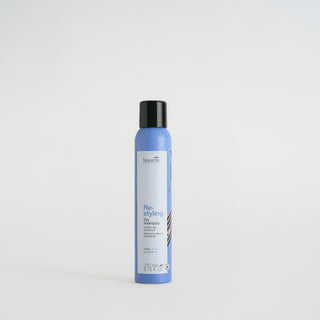
Dry hairFrom the Re-Styling range: refreshes the roots and adds weightless volume.
- Keep styling products light at the roots
- Between washes, spray directly onto the roots
- Hold the can 8 to 10 inches away
A note for colorists. An oily scalp does not rule out a color service. On color days, distribute Scalp Protector over the entire scalp or only on sensitive areas before the technical service, without rinsing.
Oily scalp care between appointments
A salon treatment sets the direction; the home routine keeps the scalp on track. If the salon retails the Scalp Habit range, Sebum Control Shampoo and Sebum Control Fluid let clients continue the same routine at home, at the frequency set during the consultation, alongside the habits discussed in the chair. A follow-up visit is the moment to check how the scalp is responding and adjust the routine.
Nouvelle products for an oily scalp
Sebum Control Fluid
Sebum Control Fluid

Detox Intensive Pre-Cleanser
Detox Intensive Pre-Cleanser
Sebum Control Shampoo
Sebum Control Shampoo

Scalp Relief Light Conditioner
Scalp Relief Light Conditioner